


When I first discovered Substack I was looking for niche experts. I searched for very specific things, like advice on writing serials from experienced authors, and the good stuff I found happened to be on Substack pretty often.
Some of these Substacks were rather small in terms of subscribers. But that didn’t matter to me, as long as I liked the content. I would look around on the publication and see if I found more that I liked. And if I did, I subscribed.
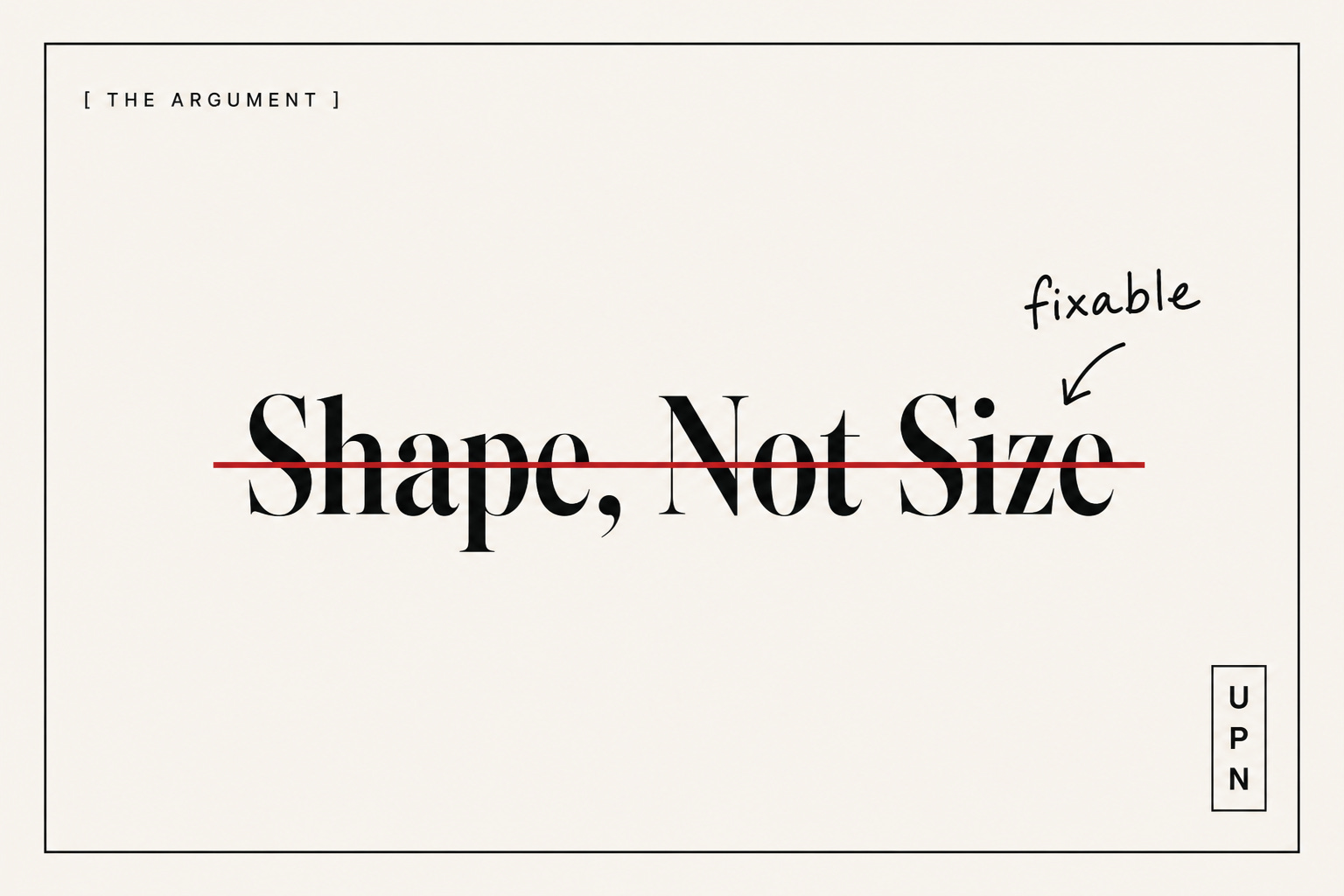
I try to remember this now while cultivating my own publications. The reader cares more about what your Substack offers and how it’s presented than about how many subscribers you have. I think of this as the shape of a Substack. You can control the shape, but not the size. And if you get the shape right, growth follows as a consequence.
By shape I mean what you offer to the reader and how you present it. A good shape lets readers who stumble across your Substack understand quickly what it’s about. If you show that reader efficiently that you can give them the content they want, chances are they will subscribe. The job is to make the publication fit the work.
Let me use myself as an example. My Substack Stolen Wives grew to a bestseller within six months. There are quite a few readers looking for cuckold/hotwife erotica. When they come across my Substack, I need to make sure they like the story, and that they quickly see the shape of the publication. The shape has to promise more quality stories within the same niche. If the reader sees that, they just might subscribe.
Very few of my niche readers care about my total number of subscribers, or that I have a bestseller check next to my name. They care about the shape, not the size.
A shapeless publication can still contain good work. It often does. Good posts, great ideas, wonderful stories. But without an overall shape, how will the reader know it’s worth subscribing to?
Fortunately, shape is fixable.
It might take more than one heroic redesign while slightly manic at midnight. In fact, it’s better to tinker, and to proceed with small repairs.
Rewrite the About page so it says what the place is.
Build a Start Here page that doesn’t require the reader to scroll through your chronological archive before choosing what to read next.
Look at your ten strongest posts and ask what they were really promising.
Make the paid offer visible and clear.
Stop using titles that hide the reason to click.
Give old posts new paths. Write post endings that help the reader continue.
I’m still tinkering and fixing things. Substack keeps changing, and so do readers. Writers change most of all, usually at the least convenient time.
If your strength is intimacy, build around intimacy. If your strength is practical knowledge, make it easy to use. If your niche is narrow, own it. Make sure the people who already want what you do can recognize it immediately.
More about good titles here:

This post goes more into the details of shaping your Substack:

Great advice
Thank you for this guidance and these helpful ideas